Unilever Eyes Volume Growth in India as Local Rivals Face Supply Chain Squeeze

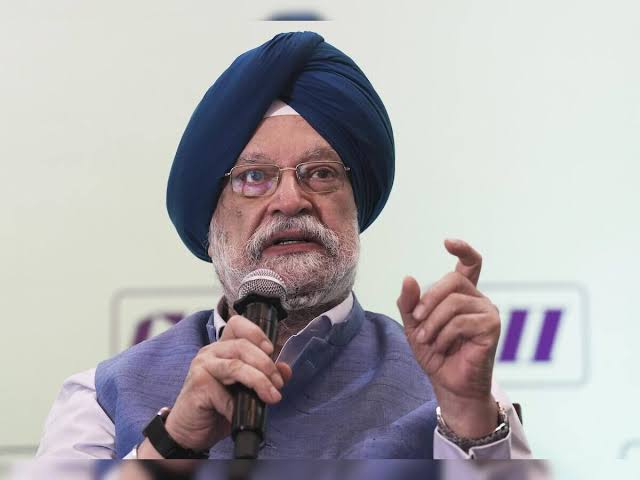
Supply chain disruptions and surging packaging costs tied to elevated crude oil prices are squeezing local competitors in key emerging markets like India, and Unilever sees this as a window of opportunity to deepen its foothold and accelerate volume growth. During the company's latest earnings call, Chief Executive Officer Fernando Fernández highlighted that smaller, local players — particularly across India and Southeast Asia — are facing mounting operational constraints. These pressures, he noted, are creating conditions that could support Unilever's volume expansion and make future pricing actions more feasible to implement. Fernández underscored that the company continues to identify and capitalize on opportunities emerging from global supply limitations, even as its own multipolar supply chain remains robust and adaptable. The results from India tell a compelling story. In the first quarter of 2026, Unilever achieved its highest-ever market share in laundry powders within the Indian market. The company is also making deliberate inroads into the fast-growing liquid detergent segment, signaling an intent to capture shifting consumer preferences as households increasingly move toward premium and convenient product formats. Chief Financial Officer Srinivas Phatak painted a confident picture of Hindustan Unilever Ltd's performance, describing it as being of a very high order. HUL registered 6 per cent volume growth during the March quarter, a figure that reflects both strong consumer demand and the company's strategic execution on the ground. Phatak acknowledged that inflationary pressures have not disappeared. Imported crude oil and currency fluctuations continue to weigh on input costs. However, he pointed out that certain categories, particularly home care, tend to benefit when inflation rises — a somewhat counterintuitive dynamic that works in Unilever's favour in this environment. He also highlighted that HUL's diverse and wide-ranging product portfolio enables the company to serve consumers across multiple price points, giving it a structural advantage over local rivals who are simultaneously grappling with supply bottlenecks and constrained cash flows. Describing the current situation as a unique opportunity, Phatak expressed strong confidence that India will continue to be a key engine of growth for Unilever.

May 04, 2026 | Supply Chain
Agrizy Launches Phytochemistry R&D Lab to Bridge India's Herbal Farms with Global Nutraceutical Standards

Bengaluru/New Delhi — Agrizy, India's leading technology-driven Contract Research, Development, and Manufacturing Organisation (CRDMO) serving global food and beverage and wellness brands, has unveiled its new Phytochemistry R&D Laboratory. The facility is purpose-built to produce high-performance botanical ingredients while improving value distribution across India's herbal supply chain — from cultivation at the farm level all the way through to finished, market-ready products. Strategically positioned to serve the $650 billion global nutraceutical market, the laboratory is designed to meet rising international demand for scientifically validated, regulatory-compliant botanical ingredients. With global buyers increasingly prioritising provenance, clinical validation, safety assurance, and supply chain transparency, India's herbal sector is under growing pressure to evolve from a raw material supplier into a science-backed ingredient powerhouse. Addressing a Structural Gap in India's Herbal Value Chain India's herbal farming communities have long served as the foundation of the global wellness industry, supplying raw botanical materials at scale. Yet value realisation at the source has remained consistently limited. The underlying reasons are well-documented: fragmented procurement networks, price-driven aggregation models, and inconsistent quality standards have historically kept farmers from accessing premium markets. This challenge is becoming more acute as nutraceutical brands worldwide tighten their sourcing criteria. Buyers now demand detailed documentation of ingredient origin, marker compound concentrations, contaminant testing results, and compliance with major regulatory frameworks. India's competitive advantage in biodiversity and raw material abundance means little if those inputs cannot be translated into globally acceptable ingredient specifications. Agrizy's integrated CRDMO model was conceived to directly address this structural disconnect. By connecting farm-level cultivation practices to international quality infrastructure, the company is creating a pipeline that transforms agricultural output into validated, compliant, and commercially viable botanical ingredients. What the Phytochemistry R&D Laboratory Does The newly launched facility is equipped with a comprehensive suite of laboratory instruments and equipment designed to extract, isolate, and purify phyto-ingredients from a diverse range of medicinal plants. Its core functions span ingredient development, raw material authentication, herbal extract standardisation, and phytochemical evaluation. A key technical differentiator of the laboratory is its rigorous approach to quality validation. Every ingredient developed within the facility undergoes multi-stage fingerprinting and method validation aligned with United States Pharmacopoeia (USP) standards and international pharmacopeial benchmarks. This ensures that potency and purity claims are reproducibly documented, scientifically defensible, and audit-ready for global regulatory submissions. Beyond basic extraction and standardisation, the lab also develops advanced delivery systems. These include phytosomes, nanoformulations, and water-soluble botanical formats engineered to improve bioavailability, stability, and functional performance. The delivery formats are tailored to work across a wide range of product categories, including capsules, tablets, functional beverages, and nutraceutical food formats — giving brand partners flexibility in how they incorporate Agrizy's ingredients into finished products. Leadership and Scientific Expertise The laboratory is directed by Dr Laxman Sawant, a PhD-qualified phytochemist with more than 16 years of hands-on experience in the botanical ingredient and nutraceutical sector. His career spans senior roles at some of India's most respected names in the space, including Dabur, Himalaya Drug Company, Piramal Life Sciences, Natural Remedies, and OmniActive Health Technologies. Dr Sawant leads a multidisciplinary team whose collective expertise exceeds 100 years across botanical research, analytical chemistry, formulation science, and regulatory affairs. This depth of experience allows the lab to operate not just as a testing facility, but as a full-spectrum ingredient innovation engine. Spoken directly on the significance of the investment, Dr S. Vijaya Kumar, CEO of Wellness at Agrizy, said: "This investment enhances our capability to develop scientifically validated herbal ingredients that comply with global standards and deliver consistent performance.

May 04, 2026 | Value Chain

Tata Power Plans β‚Ή6,500 Crore Investment in 10 GW Solar Ingot and Wafer Manufacturing Plant

Tata Power Renewable Energy Limited has unveiled an ambitious plan to invest up to β‚Ή6,500 crore in building a photovoltaic ingot and wafer manufacturing facility with a total installed capacity of 10 GW. The proposal has received formal approval from the company's board and represents a significant step in its strategy to expand upstream into the solar manufacturing value chain. The move signals Tata Power's entry into one of the most critical segments of the solar supply chain — the production of ingots and wafers, which serve as essential raw inputs for the manufacture of solar cells and modules. This vertical expansion aligns closely with India's broader national push to deepen domestic solar manufacturing capabilities under the Approved List of Models and Manufacturers (ALMM) framework. The ALMM framework is expected to be extended to cover wafers by 2028, subject to sufficient capacity development and localisation conditions being met by industry players. Phased Development and Capacity Rollout The planned facility will be developed in two distinct phases, each with a capacity of 5 GW, ultimately scaling up to a combined total of 10 GW. This phased approach allows the company to manage capital deployment prudently while progressively building out production infrastructure. The output from the facility is expected to serve both captive internal demand — supporting Tata Power's own solar project pipeline — as well as external sales to the broader domestic market. At the heart of this initiative is a drive toward backward integration. By producing ingots and wafers locally, Tata Power aims to reduce its dependence on imported solar components, particularly those sourced from China, which continues to hold a dominant position in global solar supply chains.
From Mumbai Spreadsheets to AI-Powered Hospital Supply Chains: The Reuben Philip Story

Reuben Mathew Philip carries an unusual distinction in American healthcare. The AI-powered products he has helped build at Clarium Health, a New York-based technology company, are now used daily by more than ten major hospital systems that collectively treat millions of patients every year. Ochsner Health, Geisinger, Yale New Haven Health, and Texas Medical Centre are among the institutions that rely on the company's software to keep their supply chains running smoothly and efficiently. Philip grew up in Mumbai and studied computer engineering at the Don Bosco Institute of Technology before relocating to the United States for graduate school. A career in healthcare was never part of the plan. But a job at Boston Children's Hospital after completing his Master of Science in Engineering Management at Northeastern University in Boston changed everything. "I walked into a world where billion-dollar hospital systems were still tracking supply disruptions on spreadsheets," Philip recalled. "Nurses were leaving operating rooms to hunt for supplies. Contracts worth millions were being mispaid because nobody had automated the reconciliation process. I thought, there has to be a better way." At Boston Children's, Philip built that better way. Working within the supply chain administration team, he wrote automation scripts that eliminated more than 53 hours of manual work per week. He created a system that reduced the hospital's billing exception rate by 20 percent. He also developed a COVID expense tracking tool that hospital leadership used to successfully claim federal reimbursements. Several of those tools remain in active use today. After a period at Amazon working on logistics automation, Philip made a move that many would consider counterintuitive. He left one of the world's largest and most well-resourced companies to join Clarium Health as its sixth employee and first data engineer. At the time, the company had zero paying customers. Philip, however, saw a clear opportunity: take the knowledge he had gained building tools for a single hospital and scale it into a platform capable of serving the entire healthcare industry. Clarium has since raised more than $43 million in venture funding from investors including General Catalyst, Northzone, AlleyCorp, and Kaiser Permanente Ventures. Philip was quickly elevated into a product leadership role, a move driven by his rare and deep subject matter expertise in healthcare supply chain operations, the precise domain Clarium was targeting. The stakes involved were substantial. American hospitals spend hundreds of billions of dollars on medical supplies each year, yet the vast majority lack basic visibility into their own supply chains. The COVID-19 pandemic laid bare just how fragile those systems truly were, with hospitals across the country scrambling to secure personal protective equipment, ventilators, and essential medications under enormous pressure. Philip has since led the creation of two products that are fundamentally changing how American hospitals manage their supply chains. The first, called Disruption Monitor, uses artificial intelligence to aggregate data from hospitals, distributors, and medical device vendors in real time.

May 04, 2026 | Supply Chain
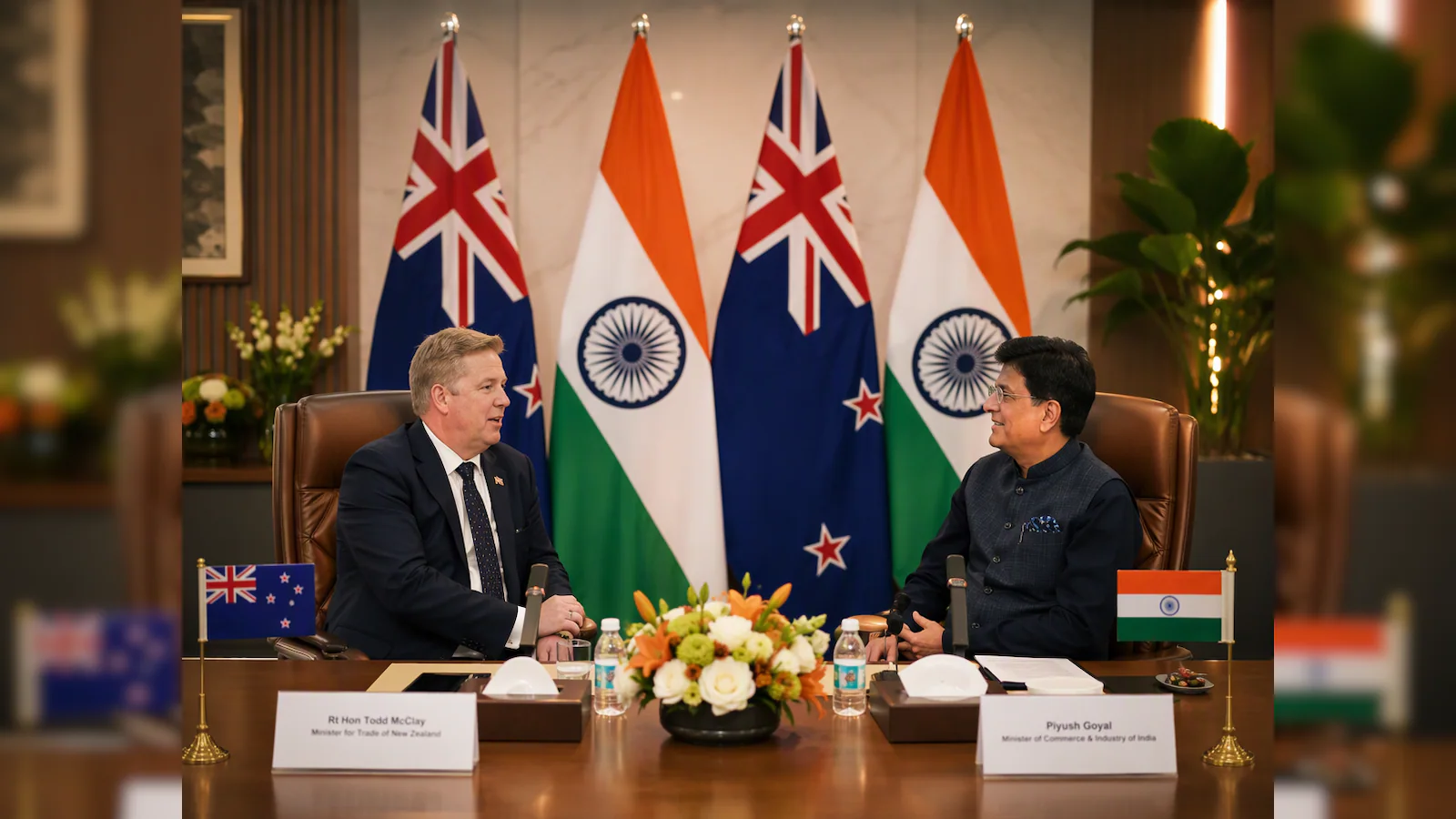
India-Vietnam Strategic Partnership Enters New Phase as President To Lam Arrives in New Delhi

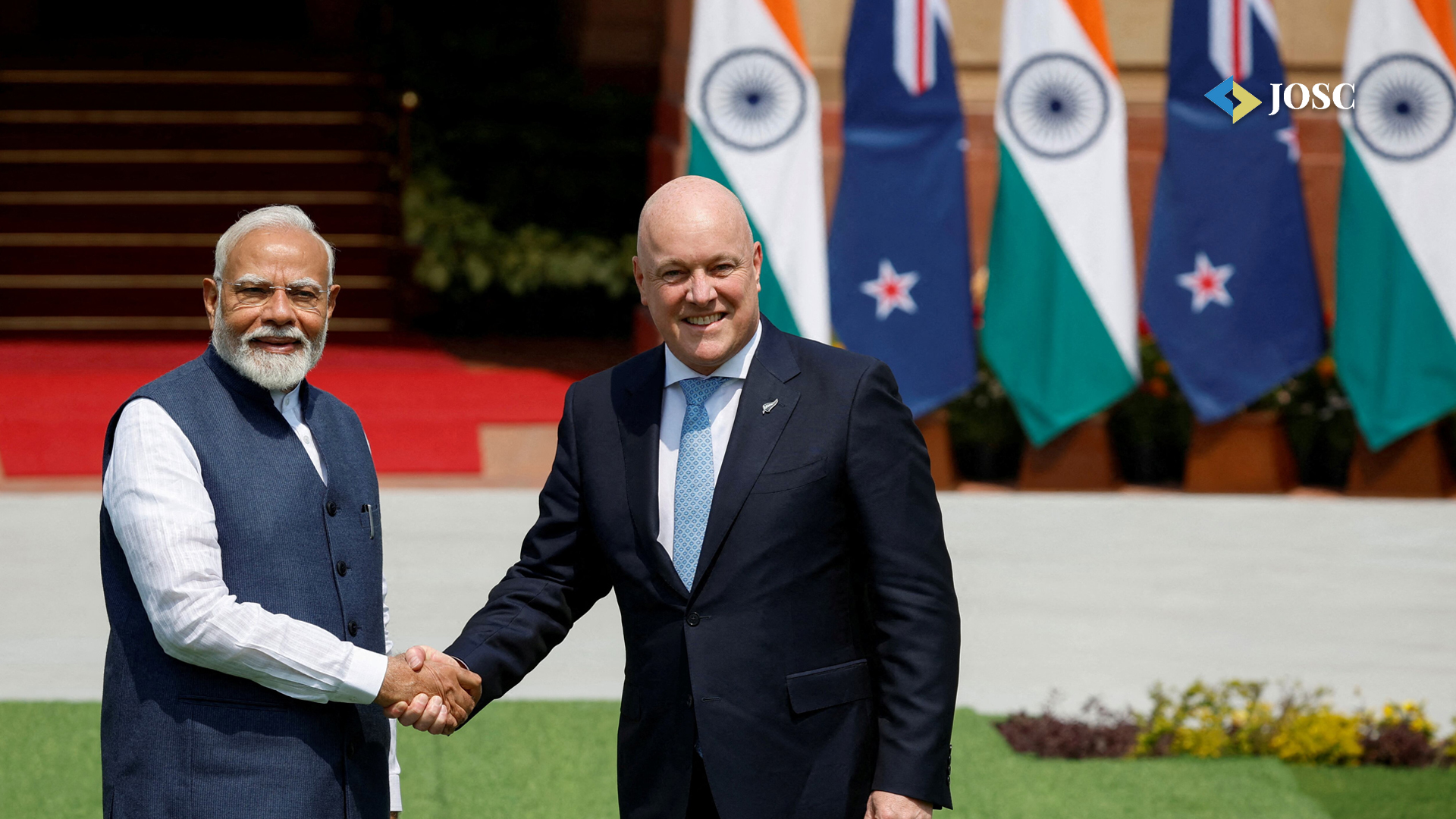
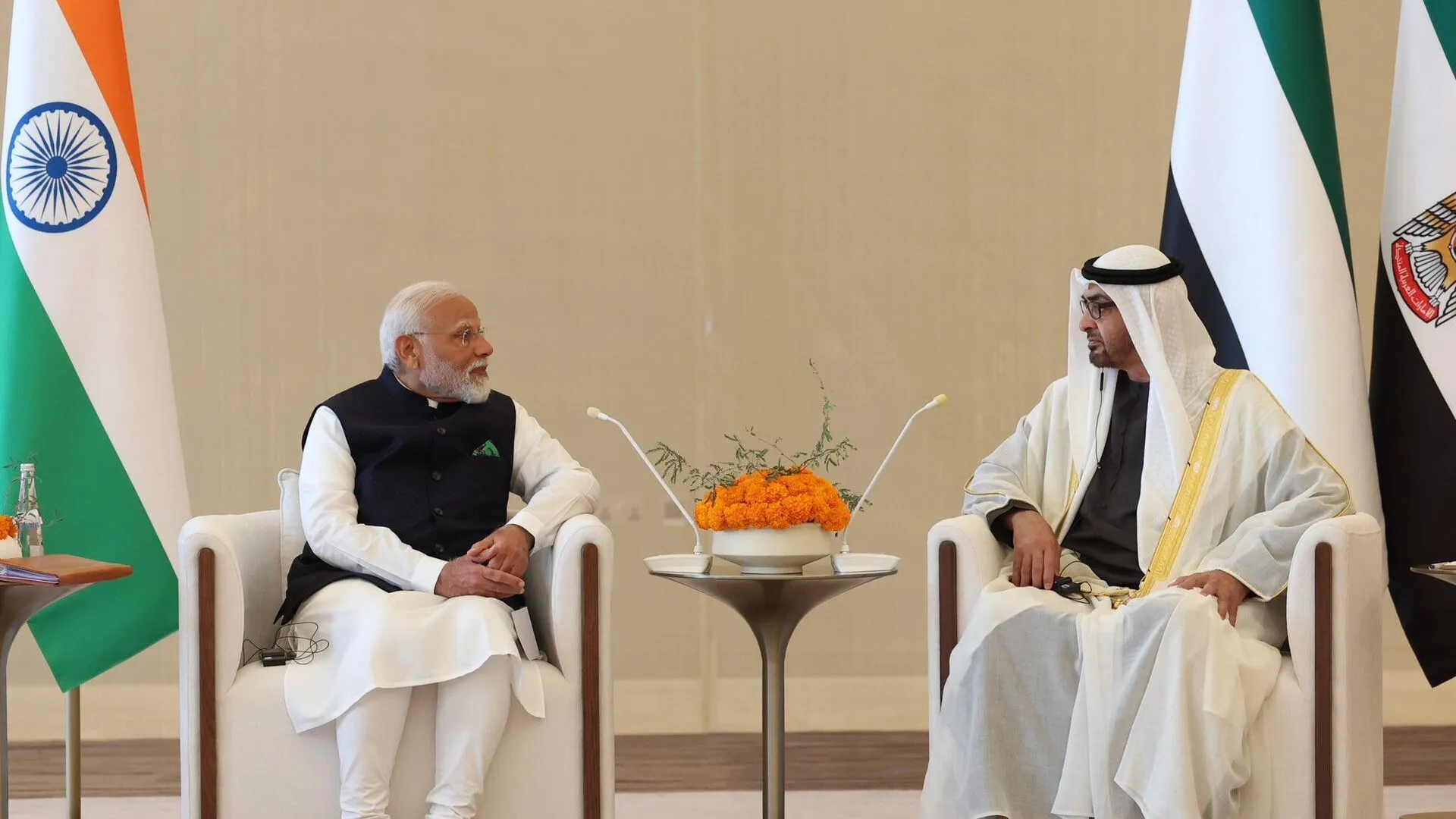
A decade after India and Vietnam elevated their bilateral ties to a Comprehensive Strategic Partnership, Vietnamese President To Lam's maiden state visit to New Delhi from May 5 to 7 marks a turning point — the relationship is no longer just symbolic, it is becoming deeply operational. With tensions continuing to simmer in the South China Sea and global manufacturers accelerating their shift away from China, both New Delhi and Hanoi are increasingly looking to each other as reliable anchors for maritime security and economic resilience. The discussions taking place in New Delhi are expected to reflect this growing convergence of strategic ambitions and commercial interests. The Ministry of External Affairs confirmed that President Lam will be accompanied by a high-level delegation that includes several ministers, senior government officials, and a robust business contingent. This is Lam's first state visit to India since being elected President of Vietnam in April of this year. According to the Ministry, Prime Minister Narendra Modi will hold wide-ranging discussions with President To Lam spanning the full spectrum of bilateral relations, as well as regional and global issues of shared concern. "India and Vietnam share historical and civilisational ties, which have steadily deepened over the years," the official statement reads. "President To Lam's visit coincides with the special occasion of the two countries marking the 10th anniversary of the elevation of relations to a Comprehensive Strategic Partnership, agreed during the visit of Prime Minister Modi to Vietnam in 2016." The visit is expected to inject fresh momentum into an already robust bilateral relationship and unlock new avenues for cooperation across multiple domains. Maritime Stakes and South China Sea Dynamics Vietnam stands among the most directly affected nations in the South China Sea territorial disputes, enduring sustained pressure from Beijing over maritime claims, energy exploration rights, and freedom of navigation. India, while not a claimant state in the dispute, has consistently championed freedom of navigation and overflight, adherence to the United Nations Convention on the Law of the Sea (UNCLOS), and peaceful dispute resolution free from coercion. ONGC Videsh, India's state-owned overseas oil exploration arm, has long maintained a presence in Vietnamese offshore blocks in the South China Sea despite repeated objections from China. Against this backdrop, President Lam's visit reinforces what has quietly become a firm maritime alignment between New Delhi and Hanoi in support of a rules-based international order. For Vietnam, India represents a trusted, non-intrusive security partner — one that lacks the geopolitical baggage that comes with the great-power rivalry between the United States and China. India, in turn, views Vietnam as a pivotal maritime partner that helps anchor its strategic footprint in Southeast Asia. Defence Cooperation: From Goodwill to Operational Depth India-Vietnam defence ties have evolved considerably — moving well beyond ceremonial gestures toward practical capacity-building and genuine operational cooperation. This evolution has been guided by the Memorandum of Understanding on Defence Cooperation signed in 2009 and the Joint Vision on Defence Cooperation adopted in 2015. In June 2022, both countries agreed on a Joint Vision Statement on India-Vietnam Defence Partnership towards 2030 and signed an MoU on mutual logistics support — a significant step toward interoperability. Bilateral defence engagement has since diversified to encompass broader military-to-military dialogue, capacity building, and training across all branches of the armed forces. Steps to deepen defence industry cooperation were formalized through the signing of a Letter of Intent in November 2025. On the hardware front, India gifted Vietnam an indigenously built missile corvette, INS Kirpan, in July 2023. Prior to that, in June 2022, twelve high-speed guard boats constructed by Indian manufacturer Larsen and Toubro under a bilateral line of credit worth $100 million were formally handed over to Vietnam. Two additional lines of credit — $120 million and $180 million — were subsequently signed between the EXIM Bank of India and Vietnam's Finance Ministry in July 2024 and are currently being operationalized. Joint military exercises are also a regular feature of the partnership. The sixth edition of the India-Vietnam peacekeeping exercise VINBAX was held in Vietnam in November-December 2025, and naval forces from both countries conduct regular operational turnarounds at each other's ports. Key pillars expected to be advanced during the current visit include military training and capacity building. India already trains Vietnamese submariners, fighter pilots, and cyber specialists, and Vietnam operates training modules developed with Indian Navy support — especially those linked to Kilo-class submarine operations. Discussions are also anticipated to progress on offshore patrol vessels and missile systems, including the BrahMos — a platform that has been under consideration for Vietnam for several years — along with indigenous radar and surveillance technologies. With both nations increasingly concerned about grey-zone tactics at sea, cooperation in white-shipping data, coastal radar networks, and real-time information sharing is gaining greater centrality in the defence dialogue.  

May 04, 2026 | Global Trade
Amul's Milk Freight Train from Gujarat Reaches J&K in a Historic First for Dairy Supply Chain

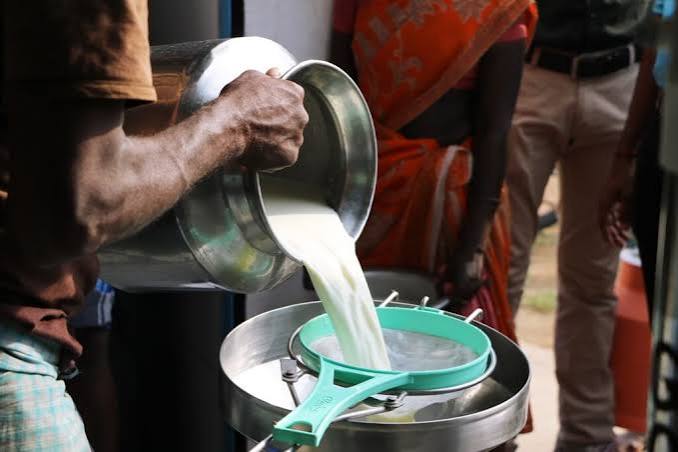
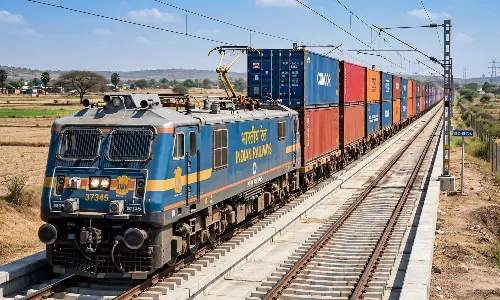
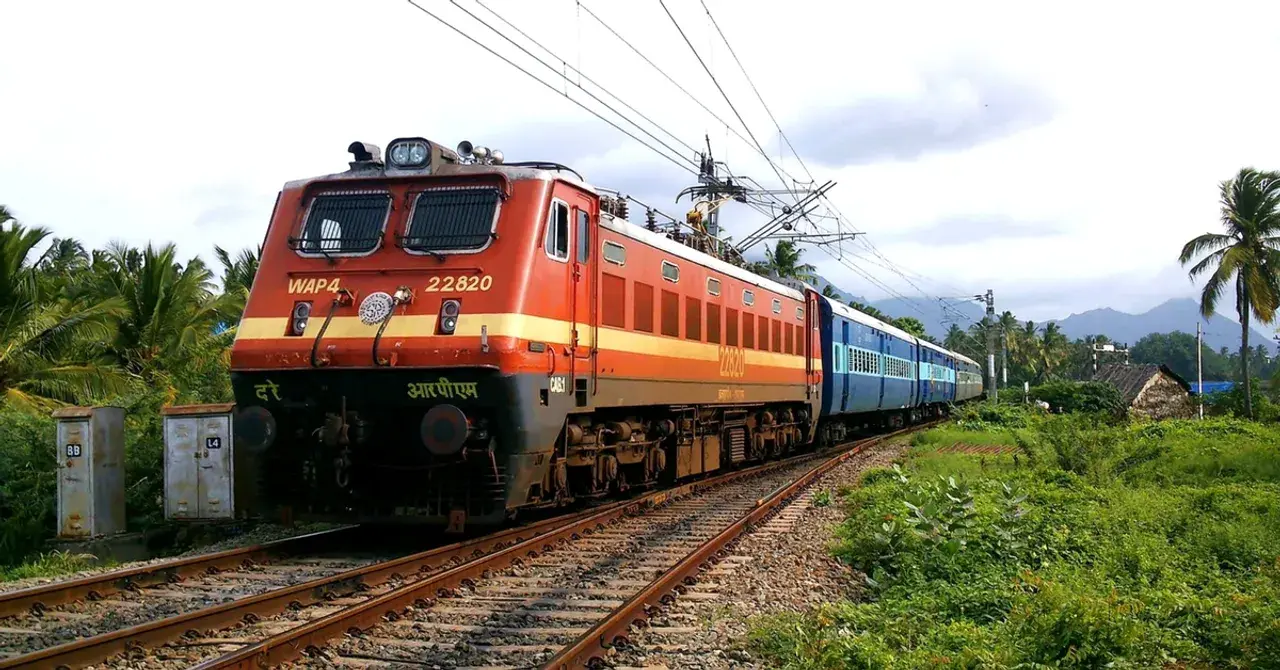
In a landmark moment for India's dairy and logistics sectors, a dedicated milk freight train carrying Amul products has successfully completed its journey from Gujarat to Jammu and Kashmir, marking the first time bulk dairy transportation to the Union Territory has been achieved via the rail network. The train was equipped with specialized refrigerated containers designed to maintain the integrity, quality, and freshness of milk and dairy products throughout the transit, ensuring that consumers at the destination receive goods in optimal condition. This milestone carries significant weight for a region that has historically depended on road-based supply chains, which are often vulnerable to disruptions caused by adverse weather conditions, seasonal blockades, and logistical bottlenecks. By introducing rail freight as a viable and reliable alternative, authorities have taken a decisive step toward building a more resilient food supply ecosystem for Jammu and Kashmir. The move is expected to have a direct and positive impact on the availability of dairy products across the Union Territory. With a more consistent and efficient supply mechanism in place, market analysts and regional authorities alike anticipate greater price stability for consumers, reduced instances of shortage, and a broader selection of dairy goods reaching even remote areas that were previously difficult to serve through conventional road logistics. Officials emphasized that the launch of dedicated freight services for perishable goods such as dairy products represents more than just a logistical achievement. It opens new corridors for inter-state trade, enabling producers in dairy-rich states like Gujarat to efficiently connect with markets in northern India.

May 01, 2026 | Logistics
India Bets Big on Domestic Shipping Fleet to Shield Energy Supply Chains from Geopolitical Shocks

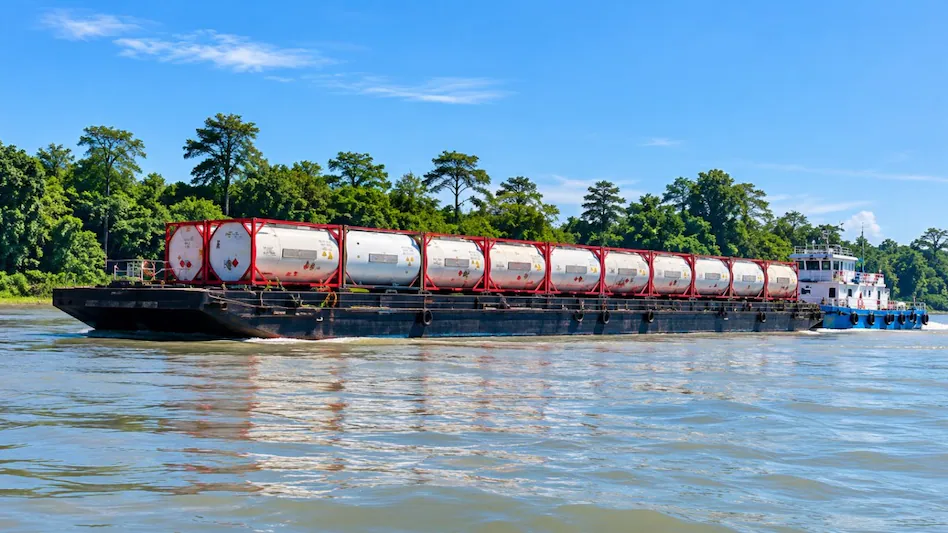
India is making a decisive push to take control of its energy shipping infrastructure, placing maritime capacity at the heart of the country's long-term economic resilience strategy. As disruptions linked to the West Asia conflict continue to rattle global energy supply chains, state-run oil and shipping companies are rolling out an ambitious vessel acquisition programme. Tenders are being floated for the manufacturing of 28 vessels in FY27 alone, covering liquefied petroleum gas (LPG) tankers and medium range (MR) crude oil carriers, signalling a structural shift in how India plans to manage its energy logistics going forward. For decades, India has depended heavily on foreign-flagged vessels to transport crude oil, LPG, liquefied natural gas (LNG), and refined petroleum products. That dependence has repeatedly come under the spotlight during periods of geopolitical instability, when access to third-party shipping becomes uncertain and costs spike. The government is now moving with a clear sense of urgency to close this vulnerability, treating fleet self-sufficiency not just as an operational goal but as a matter of national energy security. The FY27 vessel programme sits within a far larger fleet expansion blueprint. Under this broader plan, India aims to invite bids for 62 vessels during the financial year ending March 2027, adding approximately 2.85 million gross tonnage (GT) of capacity. The estimated investment for this phase stands at around β‚Ή51,383 crore. The initiative is also designed to address persistent gaps across several vessel segments, including container ships, green tugs, LPG carriers, crude tankers, and dredging vessels, where domestic fleet availability has consistently fallen short of demand. Mukesh Mangal, Additional Secretary at the Ministry of Shipping, confirmed that the government has aggregated demand for 437 vessels by FY42. Within the current financial year, the target is to invite bids for 62 vessels, with tenders already floated for 34 vessels to date. This follows the government's announcement last year of a β‚Ή70,000 crore package specifically designed to develop and strengthen India's broader shipping ecosystem. Speaking on the intent behind the programme, Mangal explained: "Our effort is that these orders should go to domestic players. For example, if somebody has to buy a VLGC or a VLCC, right now these vessels are not being manufactured in India.

May 01, 2026 | Supply Chain

Articles

Astro-Economic Global & India Supply Chain Outlook 2025 - 2026

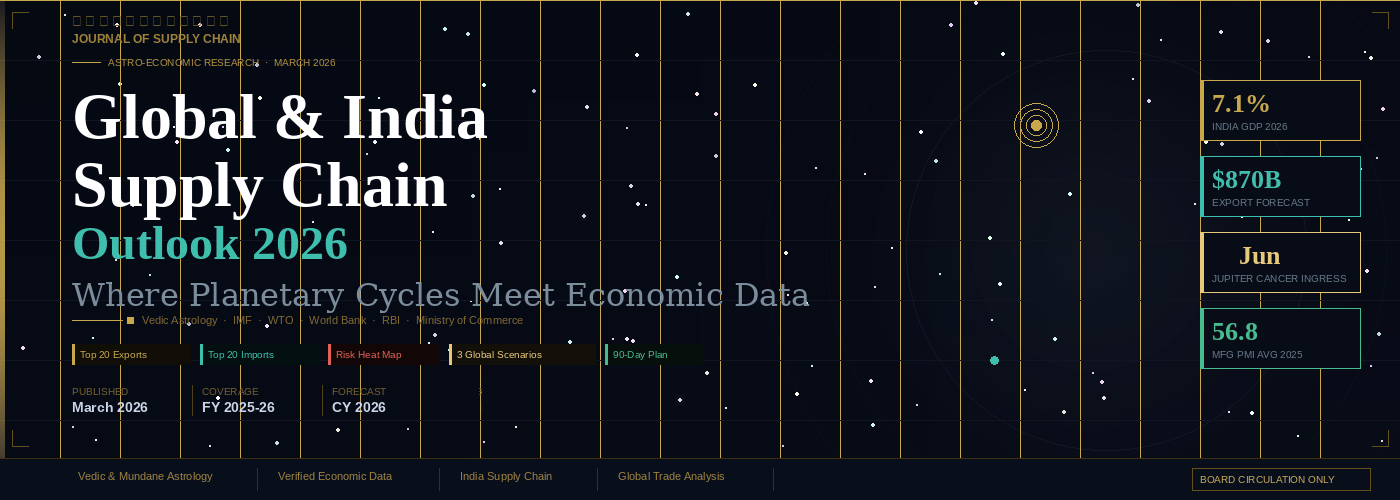
Summary India stands at a rare and consequential inflection point in 2026. Three powerful forces are converging simultaneously: (1) robust domestic economic fundamentals — GDP growth of 6.8-7.1%, manufacturing PMI sustained above 56, and Rs.11.1 trillion in government capital expenditure deployed; (2) a secular structural shift in global trade as corporations accelerate China+1 diversification strategies; and (3) a rare astronomical configuration — Jupiter's 12-year ingress into Cancer in June 2026 — which historically coincides with India's peak periods of foreign trade expansion and capital inflows. The 2025 global supply chain environment was defined by moderate resilience amid ongoing fragmentation. World GDP grew at 3.2% (IMF), trade volume expanded by 2.9%, and container freight rates declined sharply from pandemic-era peaks. India outperformed with 6.8% GDP growth, $795 billion in exports, and significant logistics infrastructure milestones including port throughput reaching 795 million tonnes and Dedicated Freight Corridors progressively commissioned. Looking ahead to 2026, our base case (55% probability) projects global GDP growth of 3.4% and India GDP at 7.1%, with Indian exports reaching $870 billion. The primary risks are external: a US-China decoupling shock, energy price spike, or currency depreciation event. Saturn's continued influence in governance houses demands institutional discipline. The stars, the data, and the strategy all point in the same direction: India's decade of trade leadership begins now. 1: Astro-Economic Foundation 1.1  India Independence Chart (August 15, 1947)Mundane astrology analyses the horoscope of nations, institutions, and macroeconomic cycles using the birth chart of that entity. India's independence chart, cast for August 15, 1947 at midnight IST in New Delhi, forms the bedrock of this astrological analysis. The Ascendant (Lagna) is Taurus — a fixed earth sign ruled by Venus — symbolising stability, agricultural wealth, material prosperity, and trade-centred national identity. Key planetary placements and their economic significance: Taurus Lagna (Ascendant): India's national identity is intrinsically linked with material wealth creation, land-based resources, trade, and tangible exports. Taurus Rising nations excel in agricultural commodities, gems, and precious metals. Moon in Capricorn (10th House): Signifies authority, governance, and global standing. India's governance cycles are deeply influenced by Saturn transits — periods of Saturn influence bring institutional reform, austerity measures, and structural change. Sun in Cancer (3rd House): Communications, neighbouring nation relationships, transportation, and short-distance trade are solar-powered. Policy volatility in regional diplomacy is a recurring theme. Saturn as Karaka: Saturn's placement in Cancer (3rd house) at independence indicates structural challenges in communications infrastructure and border diplomacy — themes that persist into 2025-26. 1.2  Key Planetary Transits: 2025-2026 Planet Position (2025-26) Economic Domain Implication for India Jupiter Taurus to Gemini (Apr 2025) Trade, Expansion Activates 1st and 2nd houses — national wealth expansion; Gemini phase drives tech trade, logistics innovation. Saturn Aquarius (Retrograde Jun-Nov 2025) Governance, Structure 10th house influence for Taurus Lagna — institutional restructuring; government policy reform. Rahu Pisces (11th House India) Foreign Networks Amplifies foreign partnerships, digital trade, pharma exports, and overseas capital inflows. Ketu Virgo (5th House India) Speculation Disrupts speculative investments; volatility in derivative markets. Pluto Aquarius (long-cycle) Structural Transformation Decade-scale reshaping of global manufacturing order. India positioned as primary beneficiary. Uranus Gemini (from 2025) Technology Disruption AI-enabled logistics, automated supply chains, digital trade infrastructure revolution. Mars Multiple signs Geopolitical Tension Mars-Saturn conjunctions Q1 and Q3 2026 signal geopolitical friction and commodity price spikes.   The Aries Ingress charts for 2025 and 2026 reinforce these themes. The 2026 Aries Ingress chart places Jupiter in a prominent angular position relative to India's natal chart, amplifying the expansion signals. Eclipse cycles — particularly the Solar Eclipse in Pisces (April 8, 2026) — create short-term volatility windows before a strong recovery phase as Jupiter enters Cancer in June 2026. 2: Global Supply Chain — 2025 Review 2.1  Macroeconomic EnvironmentThe 2025 global economy demonstrated resilience in the face of persistent structural headwinds. According to IMF projections as of October 2025, global GDP growth reached approximately 3.2% — modestly above the 3.1% recorded in 2024 but below the pre-pandemic trend of 3.8%. The developed world continued to decelerate, while emerging and developing economies provided the growth engine Indicator 2024 Actual 2025 Estimate Source Global GDP Growth 3.1% 3.2% IMF World Economic Outlook World Trade Volume Growth 2.6% 2.9% WTO Trade Barometer Global Inflation (CPI) 5.8% 4.3% IMF / World Bank Emerging Market Growth 4.3% 4.8% World Bank GEP Report US Federal Funds Rate 5.25-5.50% 4.75-5.00% US Federal Reserve Brent Crude Oil (Annual Avg) $84/bbl $92/bbl EIA Petroleum Outlook Container Throughput Growth +3.8% +4.1% UNCTAD Review of Maritime Baltic Dry Index (Year Avg) 1,520 1,650 Baltic Exchange   2.2  Logistics & Freight Markets The 2025 freight markets underwent a significant normalisation after pandemic-era distortions. Shanghai Containerized Freight Index (SCFI) rates declined sharply year-on-year: Transpacific rates fell approximately 18% while Asia-Europe lanes compressed by 32%. Ocean carriers responded by implementing slow steaming and blank sailings to support rate floors. Red Sea Disruption Cost: Rerouting around the Cape of Good Hope added approximately $6-10 billion in annual logistics costs for global trade, extending Asia-Europe voyage times by 10-14 days. AIS shipping data showed 40% of tankers diverted. Near-Shoring Acceleration: Mexico attracted 22% YoY surge in FDI as US corporations diversified manufacturing. Vietnam manufacturing investment grew 18% YoY. Container Throughput: Shanghai posted +4.2% growth; Singapore +3.1%; global utilisation at approximately 81%. Air Cargo Resilience: IATA rates increased 4% YoY as cross-border e-commerce sustained premium logistics demand Astrological Interpretation: Saturn's transit through Aquarius (10th house from India's Taurus Lagna) symbolised the institutional restructuring observed in global supply chains. The WTO's reform agenda stalled as bilateral and regional trade deals proliferated — a Saturn-in-10th archetypal pattern of authority fragmentation and structural reorganisation. 2.3  Supply Chain Pressure Index The Global Supply Chain Pressure Index (GSCPI), published by the New York Federal Reserve, declined from elevated pandemic levels to near-neutral territory in 2025, suggesting that acute disruption pressures had largely normalised. However, structural vulnerabilities in semiconductor supply chains, pharmaceutical API sourcing, and rare earth metal procurement remained elevated. Climate-driven disruptions (drought affecting Panama Canal capacity, flooding in key industrial zones) introduced episodic volatility.
March 02, 2026 | Manufacturing

Top Trending

Supply Chain

Journal of Supply Chain Events

Sponsor an Event

Increase your brand visibility and thought leadership in Industry

Speak at an Exclusive Event

Speak at JOSC events and engage your target audience

Exhibit at an Event

Showcase your product to industry influencers and CXOs

Attend an Exclusive Event

Attend JOSC events and maximize your networking

logo

Subscribe to Our Newsletter

The week’s best stories, handpicked by JOSC editors in your inbox every week.

Stay informed with exclusive content